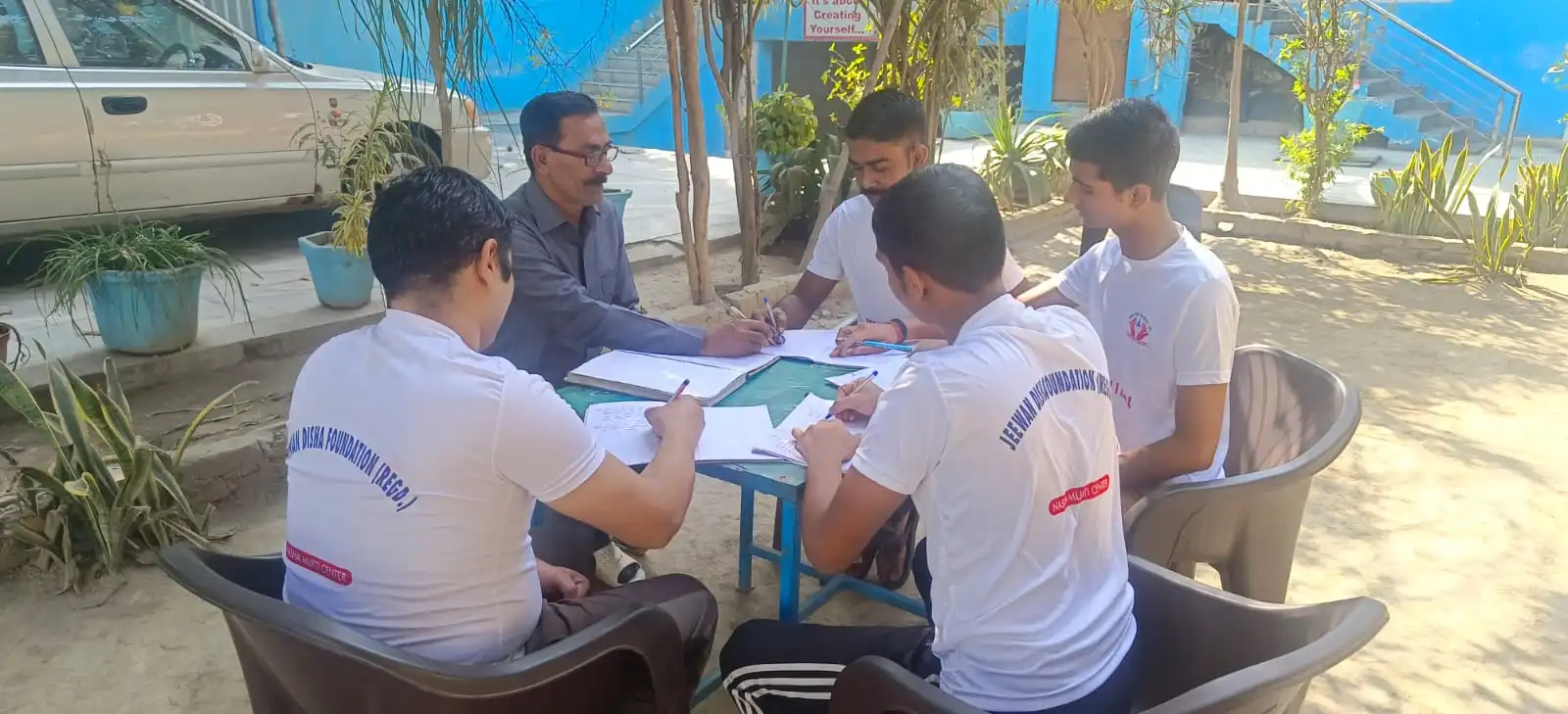
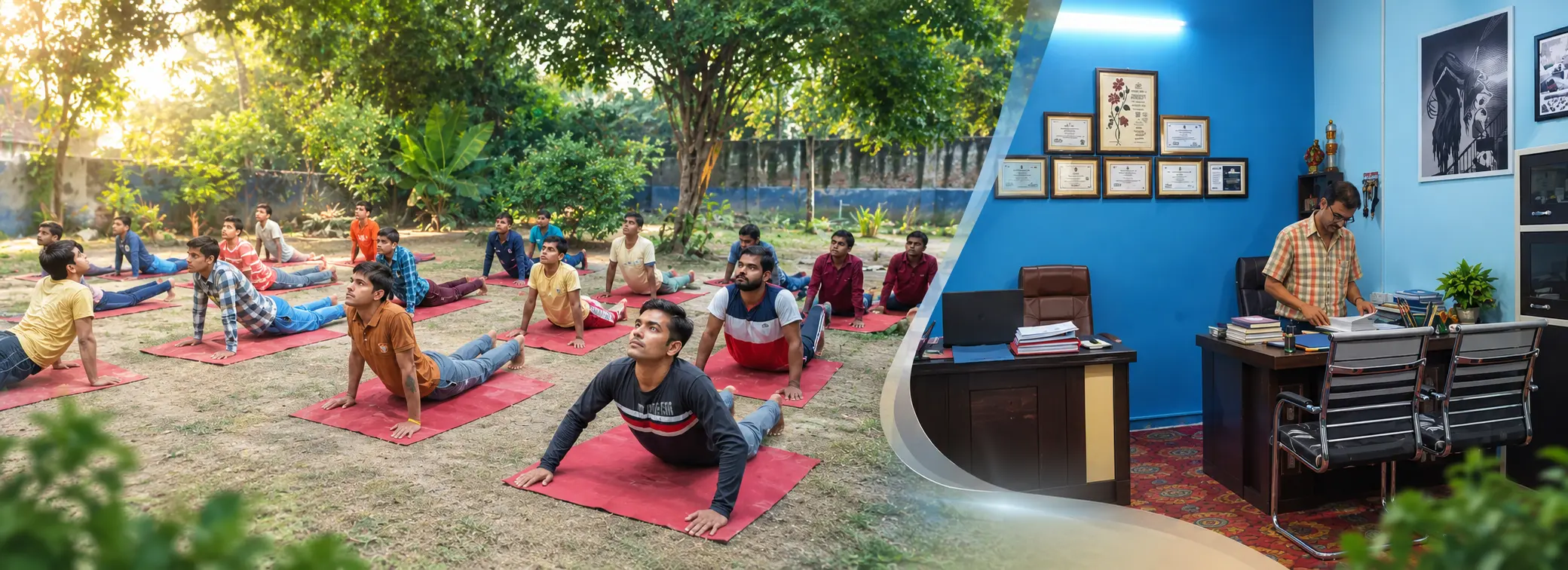
East Delhi has always felt like a place where everyone knows everyone. Joint families, narrow lanes, neighbours who've watched your kids grow up. So when addiction creeps into one of these homes, word tends to travel fast, even if nobody says it out loud. If you've been looking for a Nasha Mukti Kendra in East Delhi, chances are you've already spent a while watching someone you love slip further away while everyone around just... pretends not to notice. That's usually when families finally call us — not because things got a little worse, but because they can't keep hoping it fixes itself anymore.
Why Addiction Keeps Spreading in East Delhi's Colonies
Crowded markets, substances that are easier to get hold of than most people realise, and a general reluctance to talk about mental health openly — put these together and you get a slow, steady rise in addiction cases across the area. Most families we meet delay calling anyone for months, sometimes years, mainly out of worry about what relatives or neighbours might say. By the time they finally do call, the addiction has usually gotten harder to treat than it needed to be.
Our Nasha Mukti Kendra in East Delhi exists partly to fix that hesitation. We keep everything private. No judgment, no lecture, none of the shame that a lot of smaller, unregulated setups in this part of the city end up putting families through.
Our Treatment Isn't the Same for Everyone
We don't run one fixed 30-day programme and push every patient through it regardless of what's actually going on with them. Before deciding anything, our clinical team sits down and properly evaluates the person — physical health, mental state, how long the dependency has been going on. Depending on what comes out of that, treatment might include:
- A detox process with doctors watching closely, since withdrawal on its own can get risky
- Individual sessions with a psychologist
- Group therapy with others going through something similar
- Family sessions aimed at rebuilding trust at home
- A daily routine that helps bring back some structure
Two patients rarely follow the exact same path here, mostly because their addictions didn't start the same way either.
Who's Actually Treating Patients Here
The people handling treatment aren't just support staff with a weekend certificate. Our team is made up of qualified psychiatrists, clinical psychologists, and trained addiction counsellors. A number of them have gone through certified training under the National Institute of Social Defence, which sits under the Ministry of Social Justice and Empowerment, and we follow protocols laid out by recognised psychiatric bodies in India. Senior clinical staff review every patient's file regularly — it's not left to whichever counsellor happened to be assigned that week.
If a family wants to ask about anyone's credentials before admitting a patient, go ahead. We'd honestly rather deal with those questions upfront than have them come up later, halfway through treatment.
Dealing With Alcohol Addiction, Properly
Alcohol dependency is probably the single most common reason people call our Nasha Mukti Kendra in East Delhi, and it's also one of the trickier conditions to handle without medical supervision. For someone who's been drinking heavily over a long stretch, sudden withdrawal can actually trigger seizures or serious physical distress — not something to attempt at home. Our detox happens entirely under medical watch. Once that part's under control, counselling shifts toward whatever's actually driving the drinking — work stress, family friction, grief, sometimes all three at once.
Treatment Doesn't Really End at Discharge
A lot of centres talk a great deal about the treatment period and go quiet on everything after. We think that's backwards, honestly, because relapse tends to happen months after discharge, not while someone's still inside the programme. So our aftercare includes follow-up calls, periodic check-ins, and support group access for anyone who wants to keep coming back for guidance. We also talk to families directly about how to support recovery at home — without hovering too much, and without going soft either.
Getting Admitted Doesn't Have to Take Weeks
Here's roughly how it goes:
- Call our helpline and explain the situation to a counsellor
- Set up an assessment, in person if possible
- Get a treatment recommendation based on that evaluation
- Complete admission — same day, if it's urgent
Most families who call us have already waited far longer than they should have. So we try to keep our end of things quick, without cutting corners on the actual evaluation.