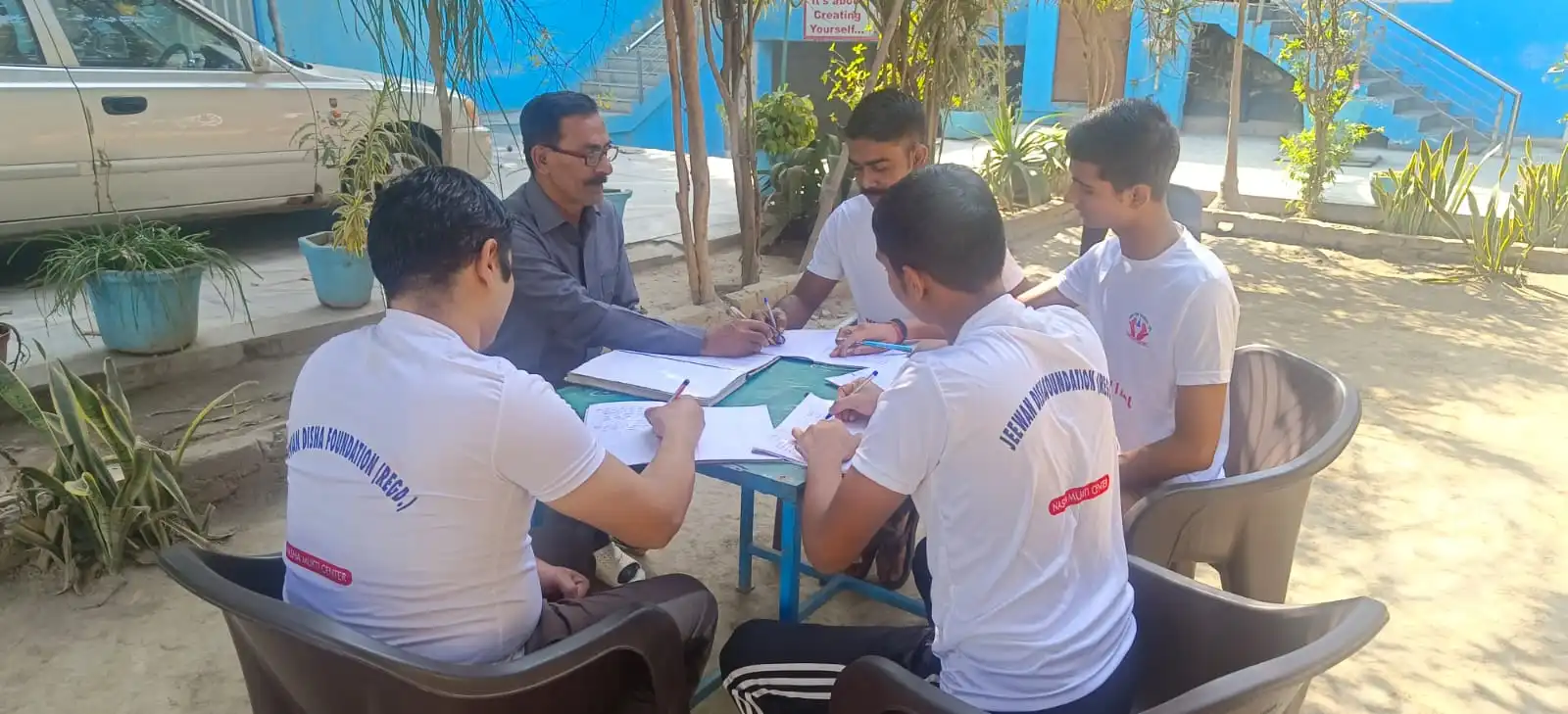

Dual diagnosis is when someone is dealing with both substance addiction and a mental health condition at the same time. A lot of people fighting drug or alcohol dependency are also quietly carrying anxiety, depression, trauma, or other emotional struggles. When both show up together, recovery gets more complicated — and needs a treatment approach built specifically for that.
What Is Dual Diagnosis?
Dual diagnosis, or comorbidity or co-occurrence, means that an individual has both a mental health disorder and a substance abuse problem simultaneously. These two conditions tend to affect one another and if treated separately, recovery is more challenging.
For many, drugs or alcohol become a way of coping with something deeper. But over time, that coping mechanism starts damaging mental health too, making it even harder to quit without proper support.
These are common mental health conditions associated with addiction:
- Depression
- Anxiety disorders
- Post-traumatic stress
- Mood disorders
- Stress-related conditions
It is crucial to comprehend both conditions at the same time to recover properly.
Why Dual Diagnosis Treatment Is Important
Addressing addiction and not mental health can result in relapse. Just as with mental illness, dealing with substance abuse without addressing mental illness does not guarantee total recovery.
Dual diagnosis treatment is important because it:
- Treats both addiction and mental health together
- Reduces chances of relapse
- Improves emotional stability
- Helps understand root causes of addiction
- Builds long-term recovery strength
We've seen how closely mental health and addiction are linked, and our treatment is built around that connection.
How Dual Diagnosis Treatment Works at Jeewan Disha Foundation
The treatment process starts with comprehensive assessment of the patient's mental health, addiction history, behaviors, and emotional state. This helps us to come to a proper knowledge of both conditions.
Comprehensive Assessment
Every person has a unique experience with addiction and mental illness. Our individualized treatment plans address both issues simultaneously in each patient.
Medical and Emotional Care
Patients are medically supervised and emotionally counselled to help them safely manage withdrawal symptoms — often as part of the same detox process we provide — along with stress, anxiety, and mood changes.
How Mental Health and Addiction Are Connected
Mental health can affect addiction or vice versa, and there are many ways the two influence each other. Others abuse drugs to alleviate mental anguish, or the other way around: those who live with substance use disorder often develop symptoms of other psychiatric disorders due to severe drug dependency.
Common connections include:
- Substance use as a coping mechanism for stress
- Emotional trauma leading to addiction
- Anxiety worsening due to drug use
- Depression developing after dependency
- Mood instability caused by substance abuse
Understanding this connection is essential for long-term recovery and emotional healing.
Why Choose Jeewan Disha Foundation for Dual Diagnosis Treatment
Selecting the right rehab is important for those suffering from addiction and mental health issues. Jeewan Disha Foundation provides exclusive rehabilitation with a focus on full recovery.
Experienced Clinical Support
Our team is knowledgeable about addiction and mental health, and can guide you through the treatment process.
Safe and Supportive Environment
The calm and structured setting can help patients concentrate on healing without any stress, judgment, or external pressure.
Focus on Long-Term Stability
Through empowerment, we aim to help people create positive coping tools and emotional health behaviours for active recovery.
Family Involvement
We help families learn about the complexities of dual diagnosis and how to continue supporting their loved ones through the recovery process, and well into aftercare.
Benefits of Dual Diagnosis Treatment
There are several long-term benefits of dual diagnosis treatment, including:
- Improved mental health stability
- Reduced substance dependency
- Better emotional control
- Stronger coping skills
- Lower risk of relapse
- Improved relationships
- Increased confidence and clarity
- Healthier lifestyle development
With proper care and support, individuals can regain control of their lives and move toward lasting recovery.